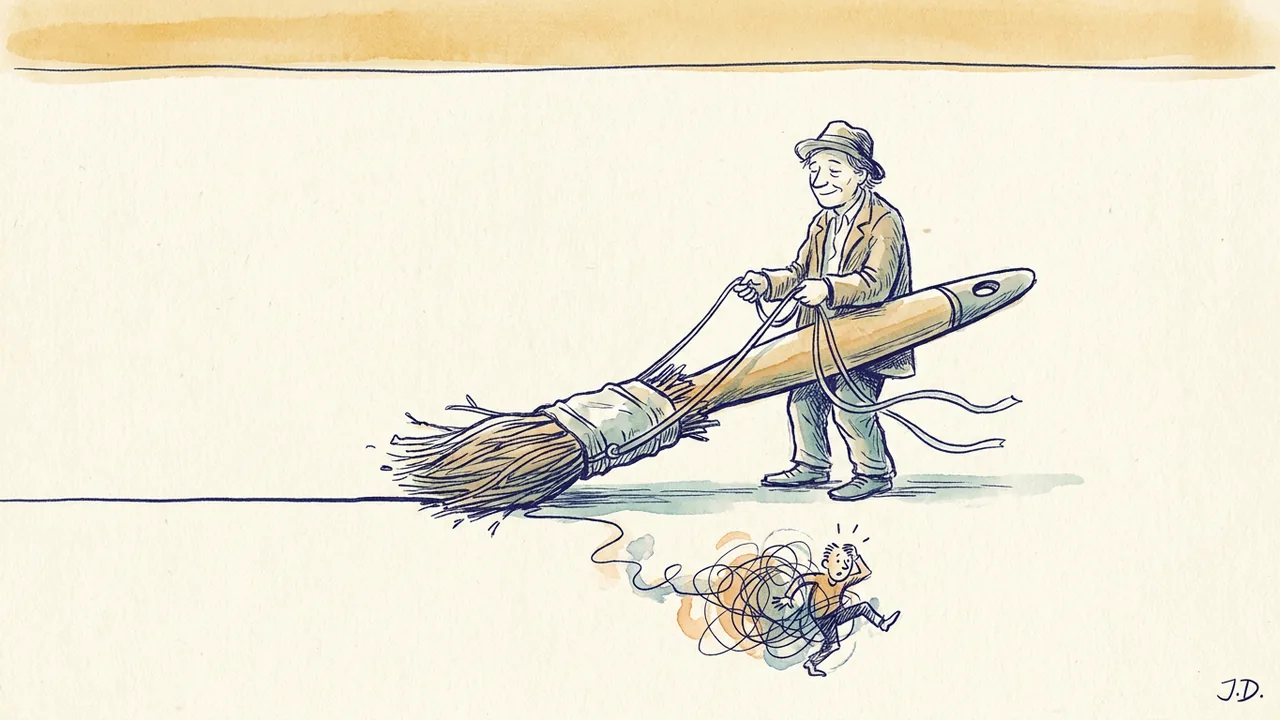
Guided AI beats the magic button
Most generative AI tools work like a slot machine. You write a prompt, pull the lever, and hope. Sometimes the result is brilliant; often it’s “AI weird” — six-fingered, off-brand, almost-right-but-unusable. For play, that randomness is fun. For professional work, it’s a dealbreaker. You can’t build a brand, a campaign, or a product on outputs you can’t predict.
The fix isn’t a bigger model. It’s a different philosophy: guided AI — keeping the human in control and giving the model real material to work with, instead of asking it to hallucinate everything from a sentence.
Generate-from-nothing vs. enhance-what’s-real
There are two ways to point AI at content. The first generates everything from scratch from a text prompt — maximum novelty, minimum control. The second starts from something real — your footage, your product, your space — and uses AI to transform and elevate it. The second is far more predictable, because reality anchors the result. With Magic, the platform I co-founded, this is deliberate: it works with real footage and layers digital content on top, so the output is professional and on-brand rather than a roll of the dice.
The goal of good AI tooling isn’t to remove the human. It’s to remove the tedium — and keep the judgement.
Why “no prompts, no guessing” is a feature
Prompts are a power-user interface pretending to be a consumer one. Most people don’t want to learn prompt incantations; they want a reliable result. Guided AI hides the complexity behind structure — templates, real inputs, sensible defaults — so a non-expert gets a professional outcome on the first try, not the tenth. Predictability isn’t the boring choice. For anyone shipping real work, it’s the whole point.
The principle generalises
This isn’t only about video. Across spatial computing and AI, the systems that earn trust are the ones that augment a human’s material and intent rather than replace it. A digital twin is more useful when an architect guides it; an immersive experience is better when a designer shapes it; a city model improves when residents feed it. AI is at its best as an amplifier of human judgement — a theme I come back to in AI and human expertise.
So when you evaluate an AI tool, don’t ask “how impressive is the demo?” Ask “how predictable is the result when I need it to be right?” That question separates toys from tools.
Choosing or building AI tooling for real work?
I help teams pick the approach that actually ships — controllable, on-brand, reliable. Book a 1:1 call.
Book a call →