When your words become 3D: generative AI for spatial computing
We’ve gotten used to typing a sentence and getting a picture back. The next step is stranger and more interesting: typing a sentence and getting a space. Generative AI is moving off the flat canvas and into three dimensions — and it changes what it means to create an environment at all.
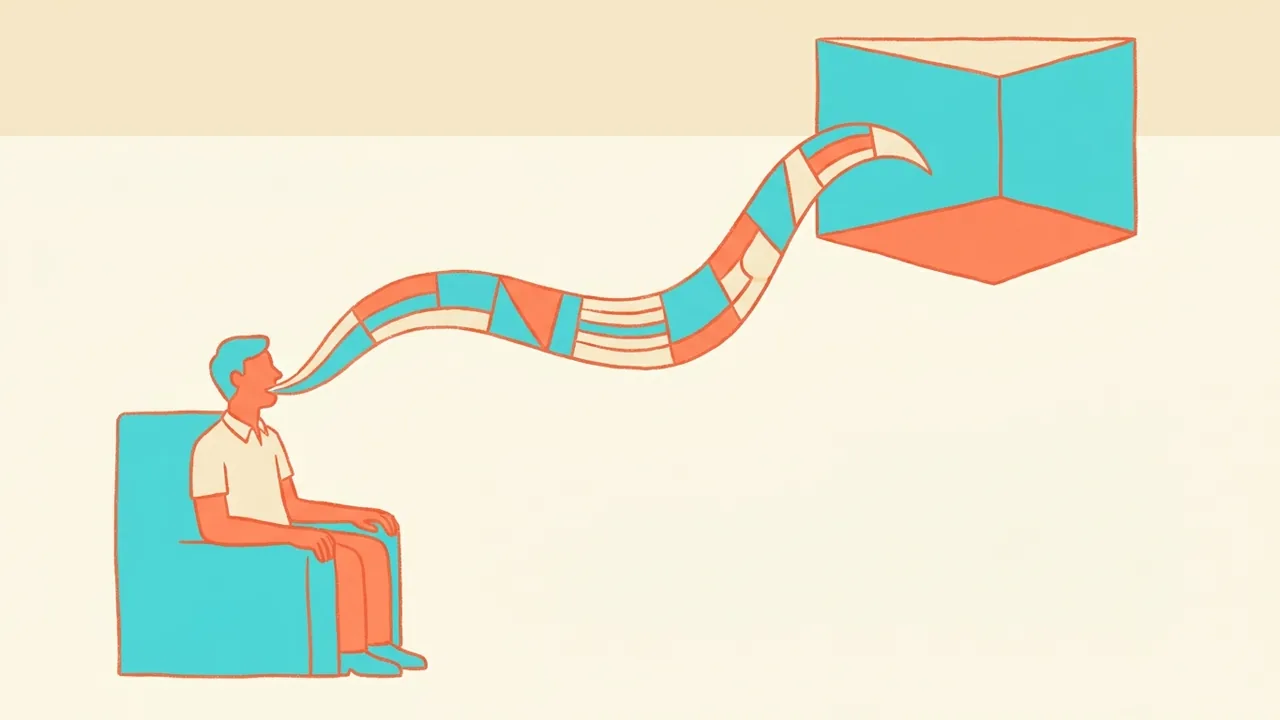
Here’s the demo I like to give. Imagine I’m mid-conversation and I say, “let a hundred flamingos fall from the ceiling.” As I say it, a model generates the 3D flamingos and they drop into the scene. They might be a little rough — but they’re flamingos, and they’re there. My words become objects in real time. Or I say “sunset in Rome,” and instead of hunting for a 360° photo, the system generates the environment around us and we’re standing in it. Thought to space, in seconds.
For thirty years, building a virtual world meant a studio and months of work. Now a sentence can summon one. That’s not a better tool — it’s a different economy of creation.
What this unlocks
- Worlds on demand. Environments no longer have to be hand-built in advance. They can be generated to fit the moment, the user, or the story being told.
- Ideas that materialise as you speak. In a meeting, a class, or a pitch, a concept can become a 3D thing everyone can look at — communication that’s immersive instead of described.
- Characters you can talk to. Pair generative environments with conversational AI and the world isn’t just a backdrop — it’s populated with characters that respond, guide, and react.
- It runs on the device you already have. Much of this is free and works on an ordinary phone or laptop — no headset, no special rig. That’s what makes it matter at scale.
The honest limits
Let’s be clear-eyed. Generated 3D is still rough at the edges — proportions drift, details glitch, and “almost right” is common. It’s closer to a fast sketch than a finished build. For play and ideation that’s perfect; for a polished, on-brand deliverable you still want a human guiding and refining the result, the case I make in guided AI beats the magic button. The magic is real; the discipline still matters.
Why it’s a turning point
The reason this is more than a party trick: generated spatial content is what finally makes immersive experiences affordable. The old blocker was always that 3D worlds were too expensive to produce, so AR and metaverse projects stayed rare and one-off (see AI is collapsing the cost of great content). When a world can be conjured from a sentence, the constraint moves from production to imagination — and that’s when information truly starts to leave the flat screen and live in the space around us, the shift I describe in what changes when the interface is the world.
Exploring generative 3D or immersive AI for your product?
I help teams separate what’s ready to ship from what’s still a demo. Book a 1:1 call.
Book a call →