The ethics of spatial computing: your gaze is the new data
We already accepted one bargain: social platforms watch what we do and sell that attention back to us as advertising. It’s the classic loop of observational capitalism, and most people have made an uneasy peace with it. Spatial computing quietly raises the stakes of that bargain — and almost nobody is talking about it yet.
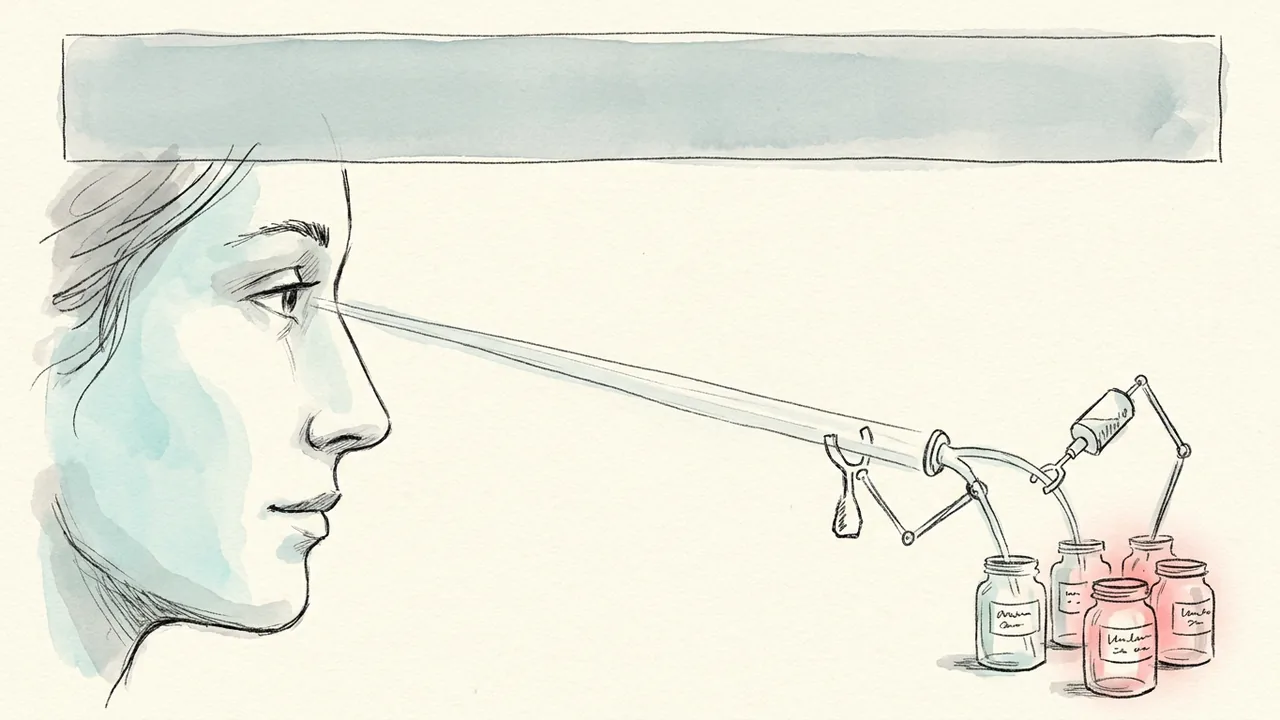
Here’s why it matters. In a flat app, a platform knows what you clicked. In a headset or a pair of AR glasses, it can know where your eyes went — what you looked at first, what you lingered on, what you avoided, what made your pupils react. I often don’t consciously know where I’m looking. The platform does. It can build a heatmap of your attention in real time.
Gaze is not behavioural data. It’s closer to biometric data — as intimate as a fingerprint, and far harder to opt out of.
Why this is different in kind, not degree
Clicks are deliberate; gaze is involuntary. You can choose not to tap something, but you can’t easily choose not to look. That makes attention-tracking in spatial computing a uniquely powerful signal — and a uniquely sensitive one. Run the old advertising loop on that signal and you don’t get slightly better targeting; you get a system that reads pre-conscious desire. The same data that makes an interface feel magically effortless can, pointed the other way, become the most invasive form of surveillance we’ve built.
A story that stays with me
Not all of the physical–digital link is sinister, though — and a story I often tell shows the other side. A group was meeting in VR, avatars standing around chatting. One avatar suddenly collapsed. At first everyone assumed it was a joke and played along. It wasn’t. The person behind it had had a medical emergency, alone, in their physical location. The group tracked down their username across other rooms, found someone who knew them, and called an ambulance to their real address. They were saved.
One in a million, yes. But it’s the perfect illustration of the thing we have to get right: in spatial computing the avatar and the body are connected. That connection can save a life — or, in the wrong hands, expose one. Which way it goes is an ethics question, not a technology question.
Setting the ethics early
The window to decide this is now, before the defaults harden. A few principles I build around:
- Treat gaze and movement as biometric. Hold them to the standard of fingerprints, not cookies — minimal, protected, never quietly repurposed for ads.
- Anonymous and aggregate by default. The useful signal is the pattern across many people, never a dossier on one. The same discipline I use in a VR space audit applies everywhere: read the crowd, never the person.
- Consent that a normal person understands. “Accept” buried in a policy isn’t consent when the data is your own eyes.
- Help, don’t harvest. Use behavioural signal to make the experience better for the user — not to extract more from them.
None of this is a reason to fear spatial computing. It’s a reason to build it deliberately. The companies that win the next decade won’t just be the ones with the best rendering — they’ll be the ones people trust to be inside their attention. For the bigger picture of where this is all going, see what changes when the interface is the world.
Building something that touches user attention or behaviour?
Getting the ethics and trust right early is a competitive advantage, not a tax. Book a 1:1 call.
Book a call →